How to compare 2 data sets?

In our former blog, we stipulated the need for reliable clinical data when comparing 2 interventions. But, how to define ‘reliable clinical data’? Even when data are scientifically correct the way they are used in comparisons can reduce the reliability of the results. No need to say that decision makers prefer to see an analysis […]
Health state transition models
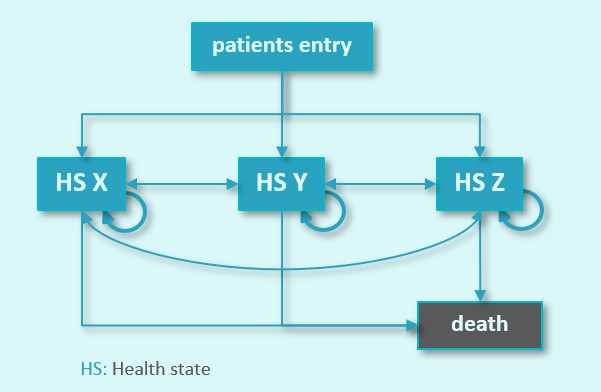
‘Simulation models’ are an important instrument to simulate the impact of the introduction of innovation over time. These models are commonly used in health economic assessment to predict the potential costs over time taking into account the clinical efficacy. If the concerned innovation would be introduced on national scale, it would be very difficult to […]
The correlation between the selected reimbursement procedure and the estimated launch date

Imagine you are full of ambition and you recently started a new position in market access. Congratulations! After a few weeks of hard work your company identified you the best suited colleague to estimate the launch date of a new product. The choice is yours! You can read and apply legislation by yourself (good luck), […]
Early Access
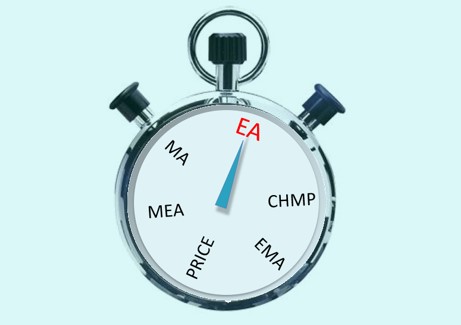
Clinical research is generally driven by the need to provide a solution to an unmet medical need. We all know that the expensive pathway between the ‘eureka’ moment (discovery of a new molecule) and the implementation on the market can take up to 15 years. Within this timeframe, a cascade of studies is initiated (efficacy, […]
Quality – the key to success

How do we define success? ‘Success’ is usually the achievement of an expected outcome which is driven by a predefined process. This process is monitored over its lifecycle and should be aligned with dynamic influencers: the ‘risks and opportunities’. Risks may be external (legal landscape, technology, politics etc.) or internal (security, expertise, lack of follow-up […]
How to estimate market shares?
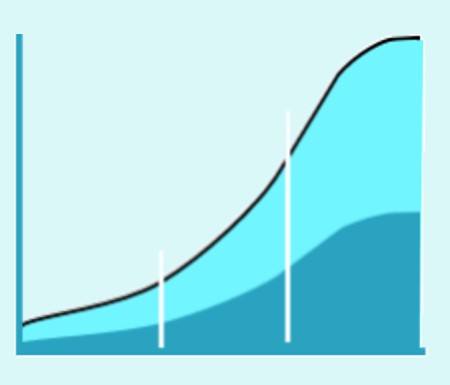
Let’s start with the hypothesis that your innovation will take a 60% market share. What does this percentage mean from your point of view? The estimation you provide will probably be correct. And posing this question to an audience familiar with marketing and sales will probably, again, elicit the correct answers. But comparing all the […]
Indirect Medical Costs

HTA bodies should take indirect (medical) costs into account to assess the cost/benefit-ratio of life sciences innovations HTA bodies may request the inclusion of indirect medical costs when 2 therapeutic options are compared by means of a health economic assessment. The methodology to include indirect medical costs differs from the classic inputs in a health […]
Epidemiology data: the creation of spot-on assessments

A robust budget impact estimation starts with knowledge about the volume of patients that can benefit from the concerned innovation. But, how to best estimate the optimal target population? We see quite a bit of variance between dossiers by different companies in the applied methodology. The selected method can be driven by the type of […]
How to manage the costs of adverse events in a CE analysis?

Have you already performed health economic analyses? Then you will definitely recognise the following. To what level is it relevant to include costs in the analysis? For quite a few parameters, it is clear that they can have a decisive influence on your analysis and in your decision-making process. However, sometimes the effort you have […]
How to measure the value of innovation?

How to measure health benefits? Within healthcare, there is continuous innovation. New technologies are made available and (partly) replace existing resources or care. But how can you measure the financial value of innovation? It is not because a diagnostic device has 10 x sharper imaging that also a ten-fold health gain will be achieved, let […]